

City of Rimini
Rimini Looks to the Future: Sustainability and Environmental Monitoring with WiseTown

Thanks to funding from the PNRR, the City of Rimini has embarked on an ambitious path toward digital transformation and ecological transition. The goal is to develop an integrated vision of the territory, where scientific data collection becomes a tool for urban planning and resilience to manage the impact of environmental change.
In this context of innovation, the municipal administration needed to monitor the city’s well-being in real time, laying the groundwork for the future development of the Citiverse model.
Why was this technology chosen?
To manage the complexity of a Smart City, Rimini did not need a simple data repository, but rather an ecosystem capable of standardizing and making sense of diverse information. The WiseTown technology was chosen precisely because of its ability to act as an “intelligent aggregator.”
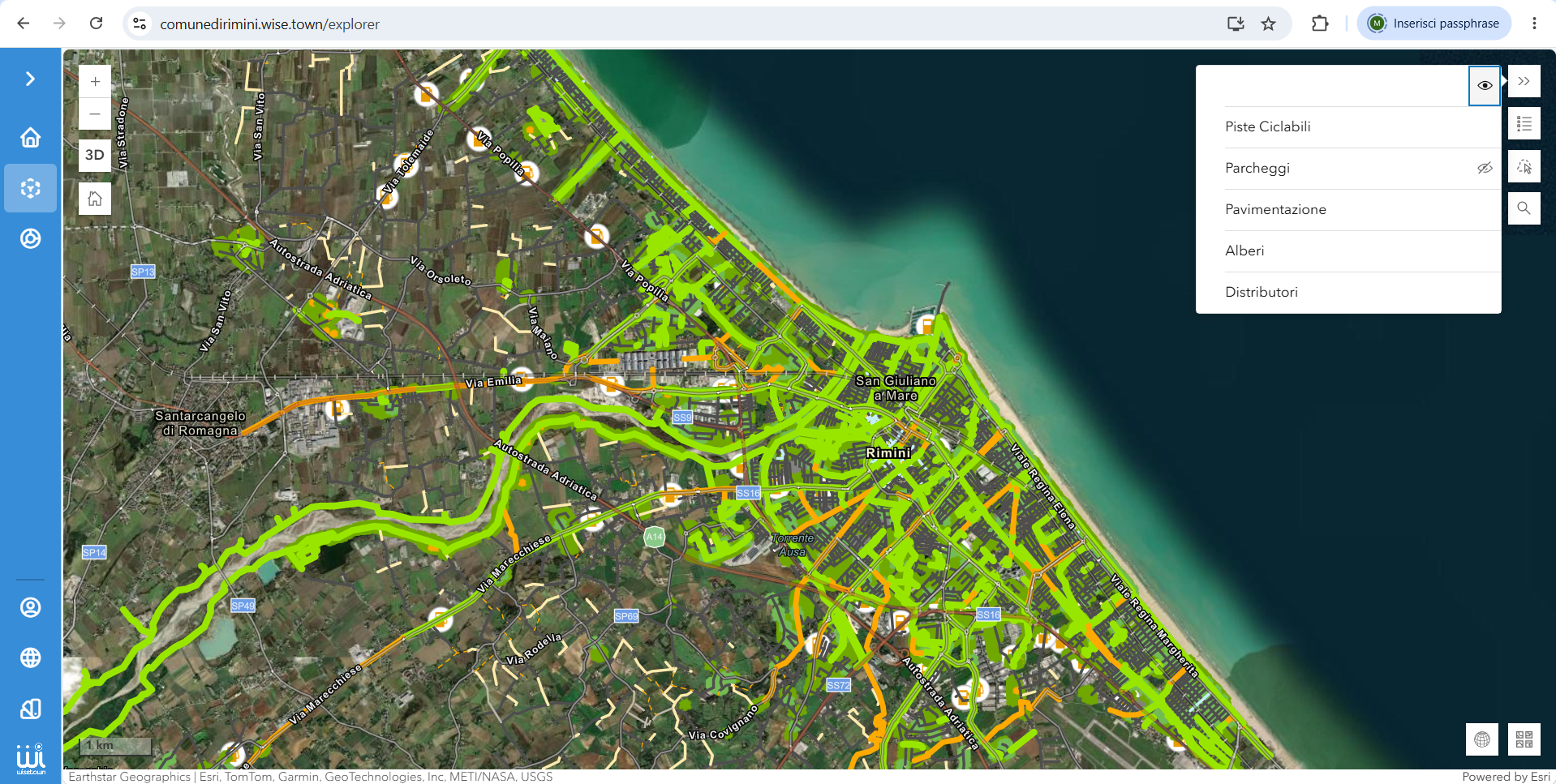
The WiseTown platform was chosen for its flexibility in centralizing and interpreting both historical data streams and real-time IoT streams, while also interfacing with the cartographic and mobile road mapping data developed by partner Gemmlab. In this way, the municipality was able to implement a unified architecture for environmental and mobility management, organized into three strategic dashboards:
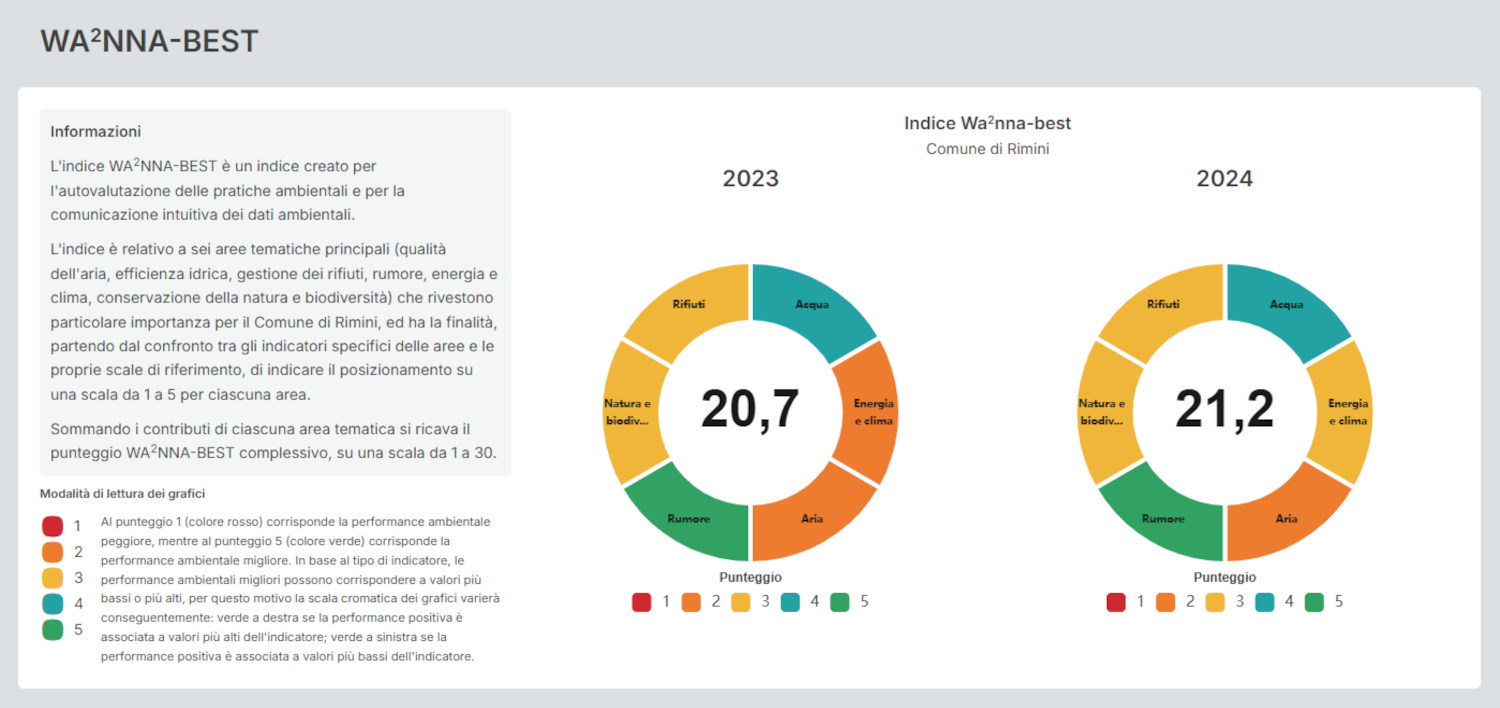
- WA2NNA-BEST Index: a composite indicator that measures and compares the municipality’s environmental performance by evaluating six key areas (air, water, waste, noise, energy-climate, and biodiversity) on a scale of 1 to 30, allowing technicians and policymakers to instantly grasp the overall level of sustainability.
- Environmental Indicators Dashboard: a module that aggregates the municipality’s quantitative data across the six thematic areas (water consumption and network leaks, waste management, green spaces and ecology, noise exposure, emissions, renewable energy, and sustainable mobility).
- Environmental and Traffic Sensors Dashboard: a control center for internal use only that processes data from IoT sensors throughout the territory.
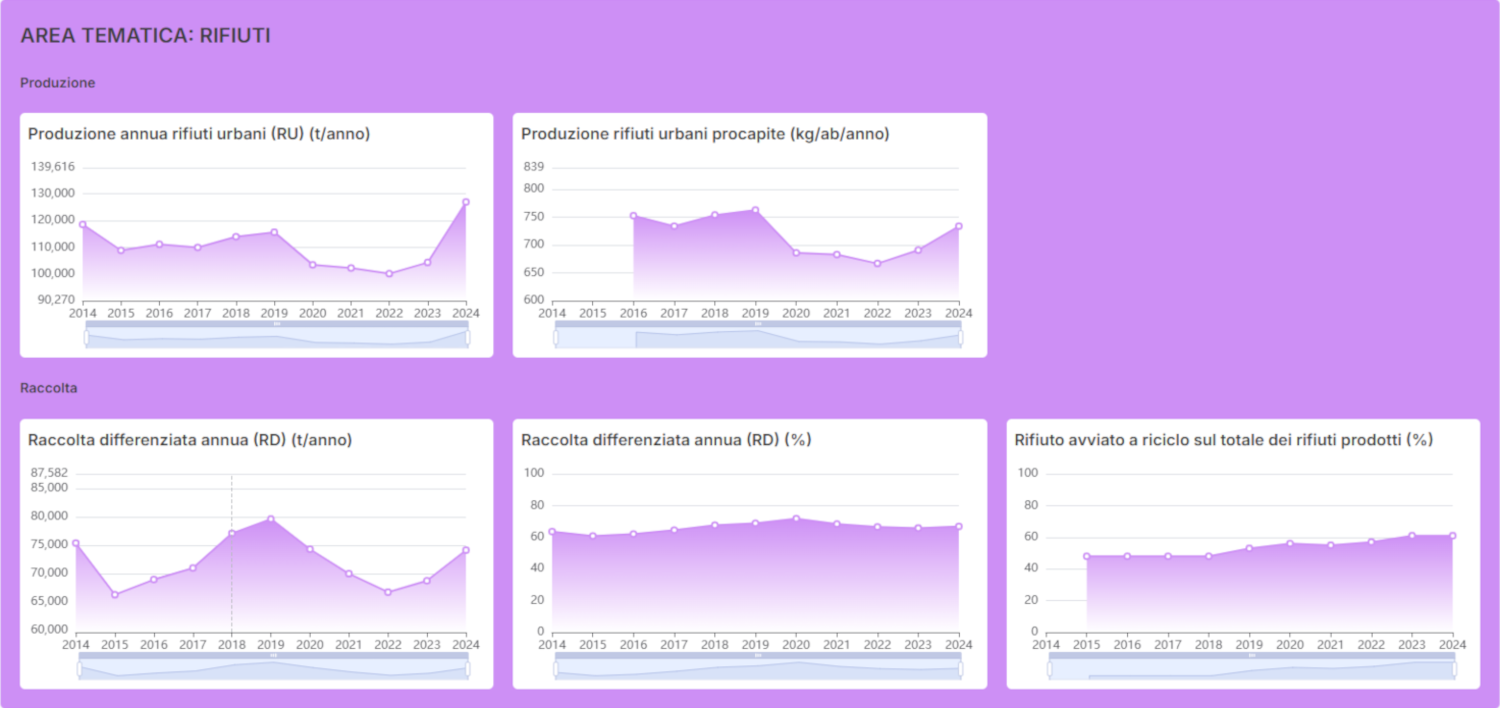
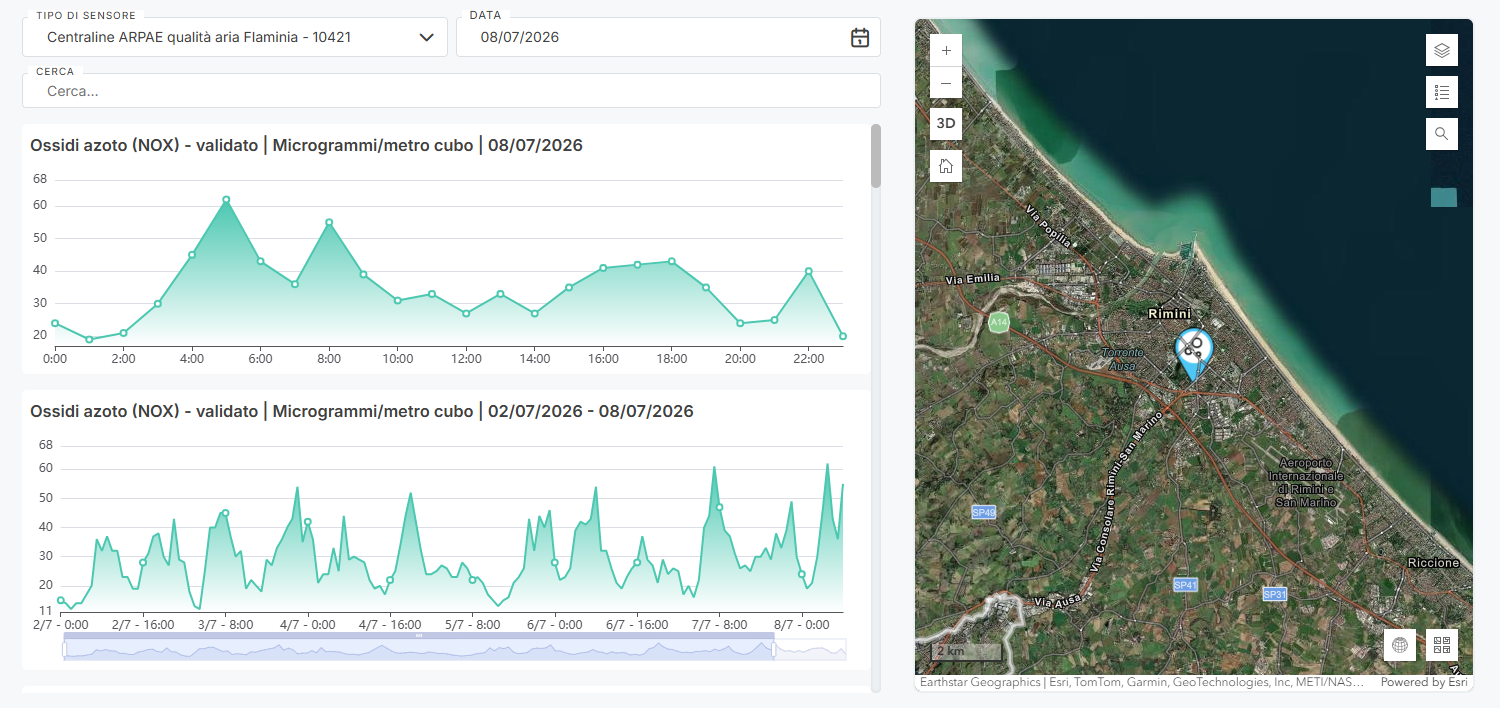
Benefits and Advantages
The implementation of WiseTown technology has brought the City of Rimini both immediate and long-term strategic benefits:
- Centralization of urban data: The administration has begun to address the fragmentation of information by integrating environmental data, traffic flows, and 3D mapping into a single platform for strictly internal use, pending full validation of the IoT data.
- Informed and predictive decision-making: thanks to the wealth of data collected and the power of the Citiverse (currently set up solely for internal use by the public administration, with assets extracted from the digital twin created by Gemmlab).
- Resilience and scientific monitoring: the availability of validated and consistent measurements allows the public administration to verify the effectiveness of the green policies adopted and to respond dynamically to environmental challenges.
Rimini:
Characteristics of the City
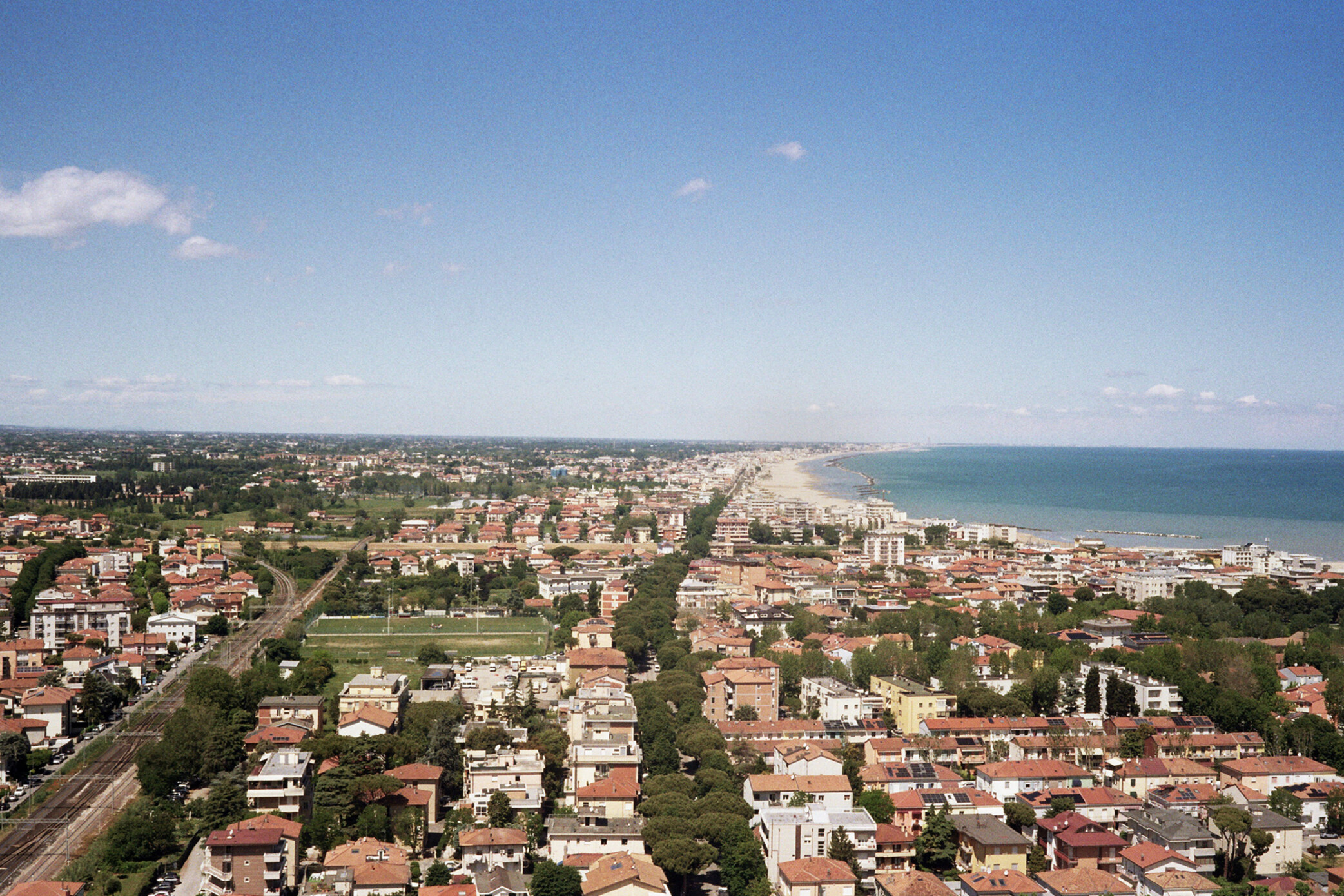
Rimini is a city that combines the seaside charm of the Romagna Riviera with an extraordinarily rich historical heritage, overlooking the waters of the Adriatic Sea, which have made it one of Italy’s most famous tourist destinations. Known for its kilometers of beaches and lively nightlife—which have made the city a symbol of summer fun—it also offers a wealth of artistic and architectural treasures, from the Arch of Augustus to the Malatesta Temple, including the Tiberius Bridge. Its bustling historic center and the seaside promenade stretching as far as the eye can see make Rimini a versatile and surprising destination. A place where the sea, history, and joy come together in an unparalleled setting.
The contribution to sustainable urban development
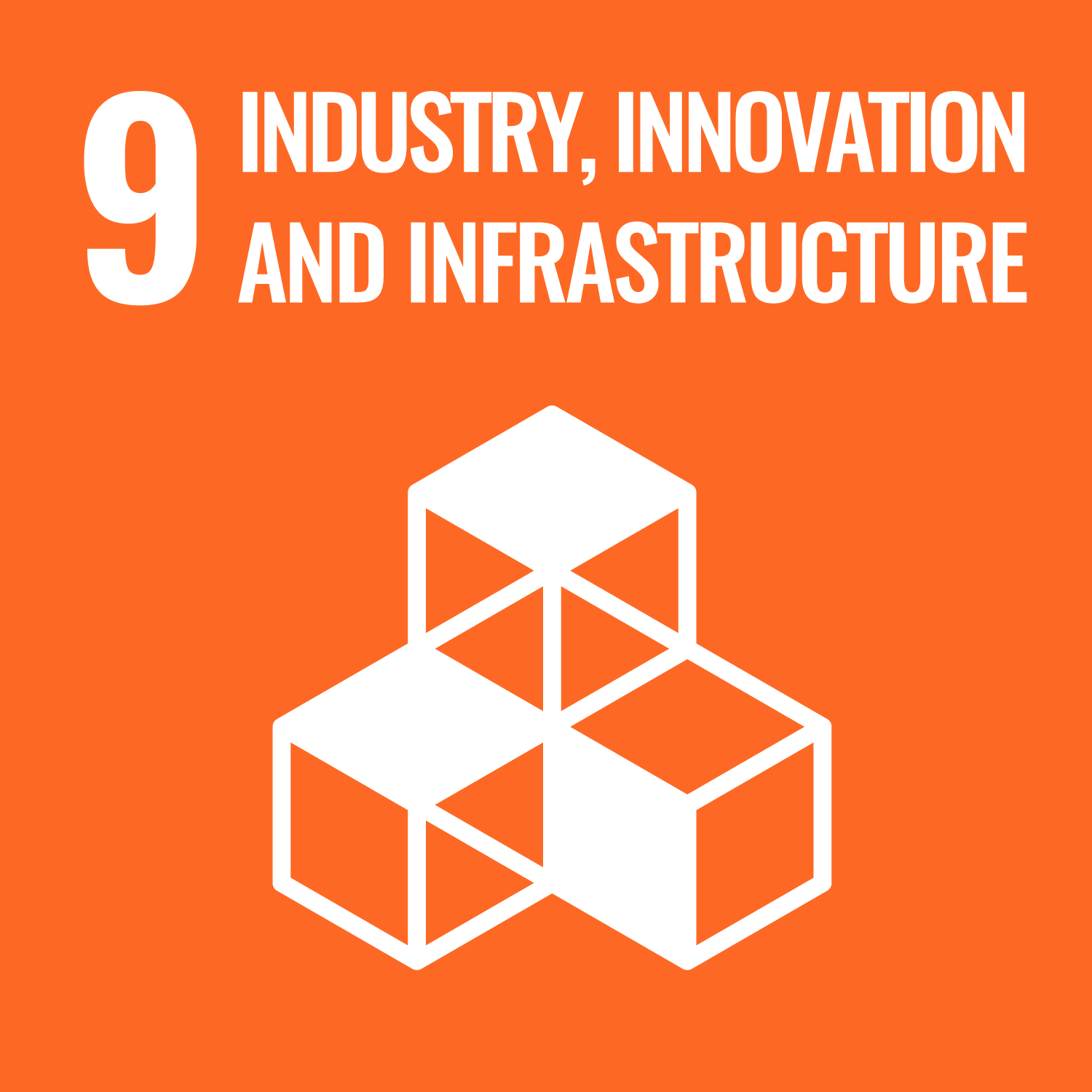
The project aims to contribute to achieving the following Sustainable Development Goals of the 2030 Agenda, defined and promoted by the United Nations.
You might also be interested in
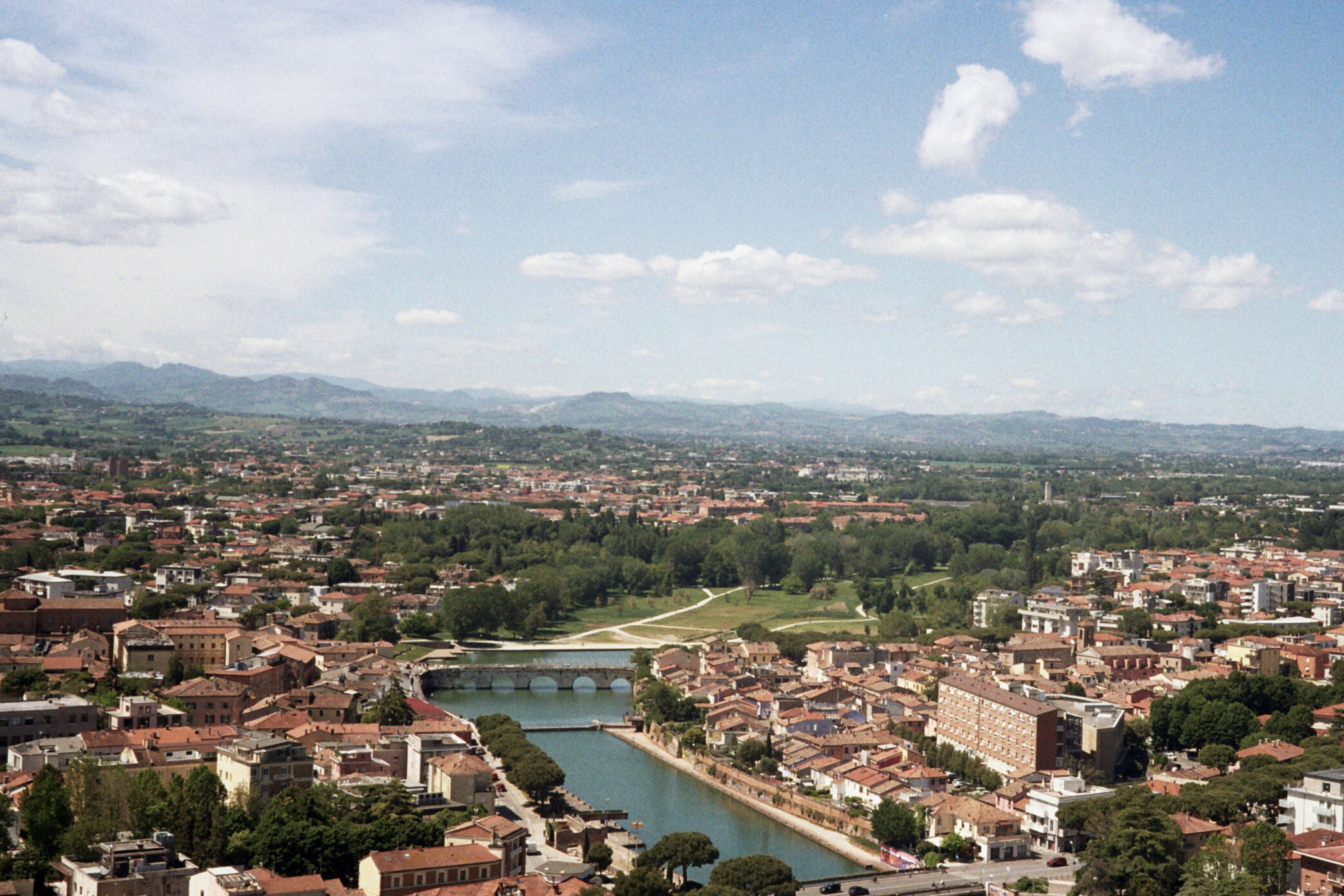
WiseTown® | An Advanced Platform for Rimini to Manage Urban Change
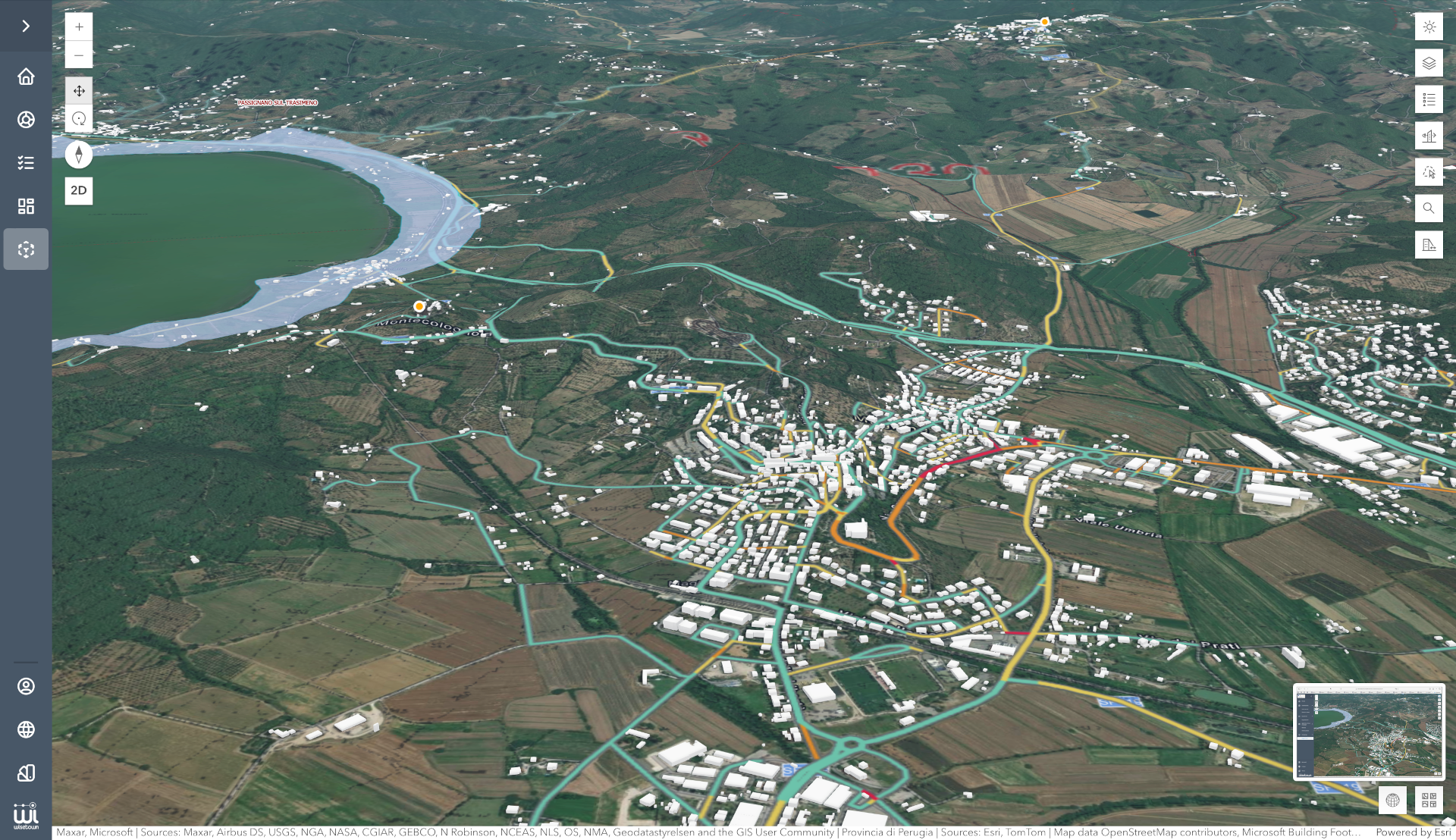
WiseTown® | Piter (Integrated Territorial Platform)

WiseTown® | Geographic Information System Spoleto
WiseTown® | Parma Digital Twin: Innovation for Climate Neutrality 2030
WiseTown® | Narni, digitalized and sustainable municipality
WiseTown® | Todi, a smart and sustainable municipality
WiseTown® | Fratta Todina, technological innovation for the protection of citizens and the territory